


Insurance claiming ‘long-term damage’? Learn how to prove your leak was ‘Sudden and Accidental’ using utility data and smart meter logs.
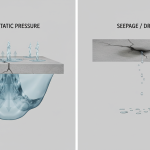
Claim denied for ‘seepage’? Learn the difference between Hydrostatic Pressure (groundwater) and covered water damage in Texas policies.

You called 911 for water. What happens next? A timeline of our 45-minute dispatch protocol and what arrives at your door.

Displaced by a fire or flood? Insurance pays for your meals. Learn the ‘Incurred Cost’ rule for restaurant receipts.
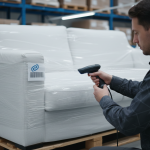
Worried about your belongings during a flood? Learn how our Digital Pack-Out system tracks every item, photo, and box location.
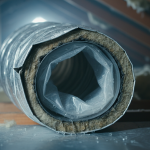
Flexible AC ducts in Houston attics are notorious for trapping humidity, sagging, and growing mold — often without any visible signs. Find out if yours are putting your home at risk.

Warehouse floor slippery? It’s not a leak; it’s ‘Sweating Slab Syndrome.’ Learn how dew point dynamics affect concrete logistics centers.
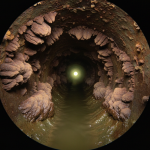
Need emergency old cast iron pipes backing up in Houston, TX? Our IICRC-certified crews arrive in under 60 minutes with 24/7 extraction and direct insurance billing.

Insurance denying ‘necessary’ work? Learn how to use the ‘Reasonable and Necessary’ clause to justify code upgrades and proper drying.

Steel frame home? You might have ‘Ghost Markings’ on your walls. Learn how thermal bridging causes condensation and mold in Houston.