


When water damage or mold strikes your Houston-area home, time is critical. This guide covers what you need to know to respond effectively and protect your property and family. What Does “Insurance-Accepted” or “Insurance-Preferred” Really Mean? Insurance-accepted vendors have signed agreements with insurers to meet specific quality standards, licensing, and claims processing. This does NOT […]
You keep hearing about public adjusters after your water or fire damage claim. Here is what they actually do, when they’re worth it, and when you probably don’t need one.
Your insurer sent a non-renewal notice after you filed a water damage claim. In Texas, this happens more than people expect. Here is what your options are and what to do before your coverage lapses.
The insurance company’s offer doesn’t come close to covering your actual damage. You don’t have to accept it. Here is what your options are in Texas and how to use them.
A tree from next door came through your roof. Your neighbor’s tree, your house. Here is who actually pays under Texas law — and what you need to do right now.
Water damage is the most common homeowners insurance claim in Texas — and also one of the most commonly denied. Here is how to know before you file whether your damage is likely covered.
Texas business interruption insurance claims require specific revenue documentation to get paid. Here’s how to prove lost income after water or fire damage.
Step-by-step guide to filing a fire damage insurance claim in Houston. Learn documentation requirements, Texas deadlines, and how to avoid underpayment on your fire loss.
Standard renters insurance does not cover water backup or sewer overflow — you need a separate endorsement. Learn what it covers, what it costs ($30–$75/yr), which carriers offer it, and why Houston renters need it more than most.
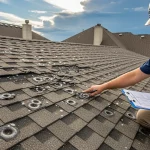
Hail damage roof repair in Houston: what a real insurance claim looks like, what it costs in 2026, and how to avoid the storm chasers who flood Houston after every severe weather event.