

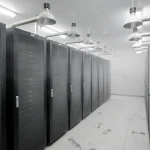
Data center fire suppression discharged? FM-200 leaves chemical residue. Learn the forensic cleanup protocols for sensitive electronics.
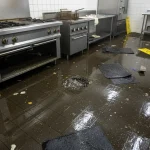
Kitchen drain backing up? Grease trap failure releases Category 3 biohazards. Learn the FOG remediation protocol for commercial kitchens.
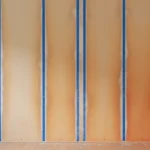
Black stripes on office walls? It’s ‘Ghosting’ from steel studs. Learn how thermal bridging attracts soot and mold in commercial buildings.
Sprinkler went off without a fire? Corrosion might be the cause. Learn how nitrogen inerting prevents ‘MIC’ in wet pipe systems.
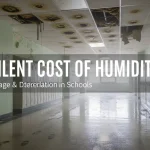
Schools closed for summer? HVAC setback causes mold. Learn how to manage humidity in vacant educational facilities to prevent ‘Summer Mold’.
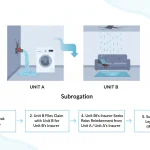
When water damage in a condo comes from another unit, figuring out who pays can get complicated fast. Here’s how Texas condo insurance policies divide responsibility between unit owners and the HOA.
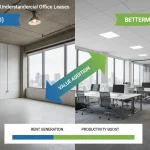
Tenant or Landlord? Who pays when the office floods? Learn how ‘Betterments and Improvements’ clauses define coverage for build-outs.
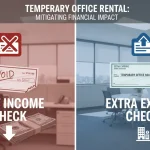
Business damaged? ‘Extra Expense’ coverage pays for temporary locations and rush shipping. Learn how to use it to stay open.
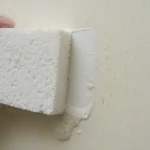
Need emergency protein residue why grease fires smell worse in Houston, TX? Our IICRC-certified crews arrive in under 60 minutes with 24/7 extraction and direct…
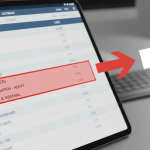
Xactimate pays only what is written as a line. First scopes often omit content manipulation, monitoring, after-hours, and haul-off. Walk to the TM software hub for platform comparisons.