

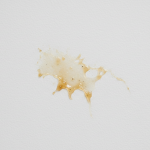
Kitchen fire was small, but the smell won’t go? It’s ‘Protein Residue’. Learn why this invisible, sticky mist requires enzymatic cleaning, not painting.
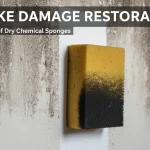
Need emergency chemical sponges the dry cleaning secret for soot removal in Houston, TX? Our IICRC-certified crews arrive in under 60 minutes with 24/7 extracti…
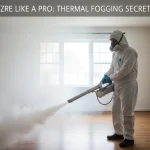
Need emergency thermal fogging vs. ozone recreating fire to fight odor in Houston, TX? Our IICRC-certified crews arrive in under 60 minutes with 24/7 extraction…
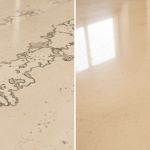
Smoke on your limestone? Acidic soot etches natural stone. Learn why ‘cleaning’ isn’t enough and how we perform alkaline neutralization.
Steel frame home? You might have ‘Ghost Markings’ on your walls. Learn how thermal bridging causes condensation and mold in Houston.
Burnt dinner? Protein residue is invisible, sticky, and smells terrible. Learn why painting won’t hide it and how chemical sponges work.
Thought the fire smell was gone? ‘Ghost Odors’ return when humidity rises. Learn about stomata expansion and thermal fogging solutions.
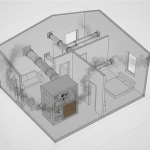
Cleaned the walls but still smell smoke? It’s in the HVAC. Learn about soot encapsulation and duct sealing.
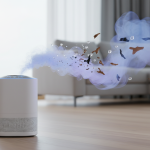
Burnt toast or house fire? Open windows aren’t enough. Learn the science of volatile organic compounds (VOCs) and hydroxyl generators.
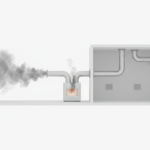
Cleaned the walls but still smell smoke? It’s likely in your HVAC system. Learn about soot encapsulation and duct sealing.