

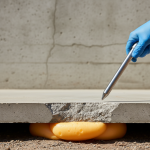
Foundation sinking after a major plumbing leak? Learn why high-density polyurethane injection is superior to mudjacking and expensive steel piers.

Living in Cypress? ‘Black Gumbo’ clay hides slab leaks until foundations fail. Learn the signs of hydrostatic pressure and forensic detection.

Soaker hoses help, but can they fix a heaved slab? Learn the limits of foundation watering and when you need forensic moisture stabilization.
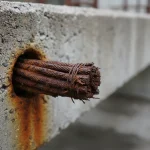
Post-tension cables keep your Houston slab from cracking — but when they corrode, the damage is serious and expensive. Learn the warning signs before a small problem becomes a foundation failure.
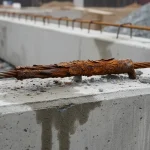
That rusty cable sticking out of your Houston slab is a post-tension tendon — and corrosion means your foundation is losing structural support. Learn the warning signs, why Houston’s soil makes PT cables fail faster, and what a forensic engineer looks for before it becomes a catastrophic slab failure.
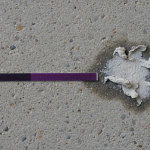
Putting new floors on an old slab? High alkalinity (pH) destroys adhesive. Learn why pH testing is mandatory to prevent flooring failure.
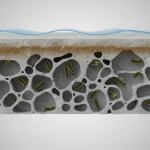
Sewage on concrete? Bleach isn’t enough. Learn how ‘concrete porosity’ traps pathogens and why steam cleaning/encapsulation is required.
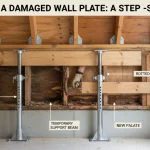
Rotted studs in a load-bearing wall need temporary shoring before you pull them. Partition walls do not. Two ways: false wall + jacks, or engineered posts. Verified 9 Sept 2026.
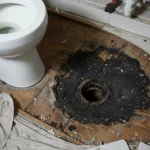
A rocking toilet usually means the wax ring has failed. Wastewater can wet the subfloor with no puddle on the tile. Confirm by pulling the fixture — not by guessing from the hallway.
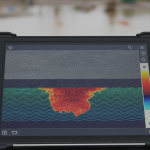
Meyerland flood survivor? Fast water creates soil voids under your foundation. Learn to spot the signs of ‘Washout’ before the slab cracks.