

Mold is not just black. The mold growing in Houston homes comes in a full spectrum of colors — each potentially indicating different species with different health implications. While mold color alone cannot definitively identify the species (that requires laboratory analysis), it provides useful initial guidance about what you may be dealing with and how urgently you need professional assessment.
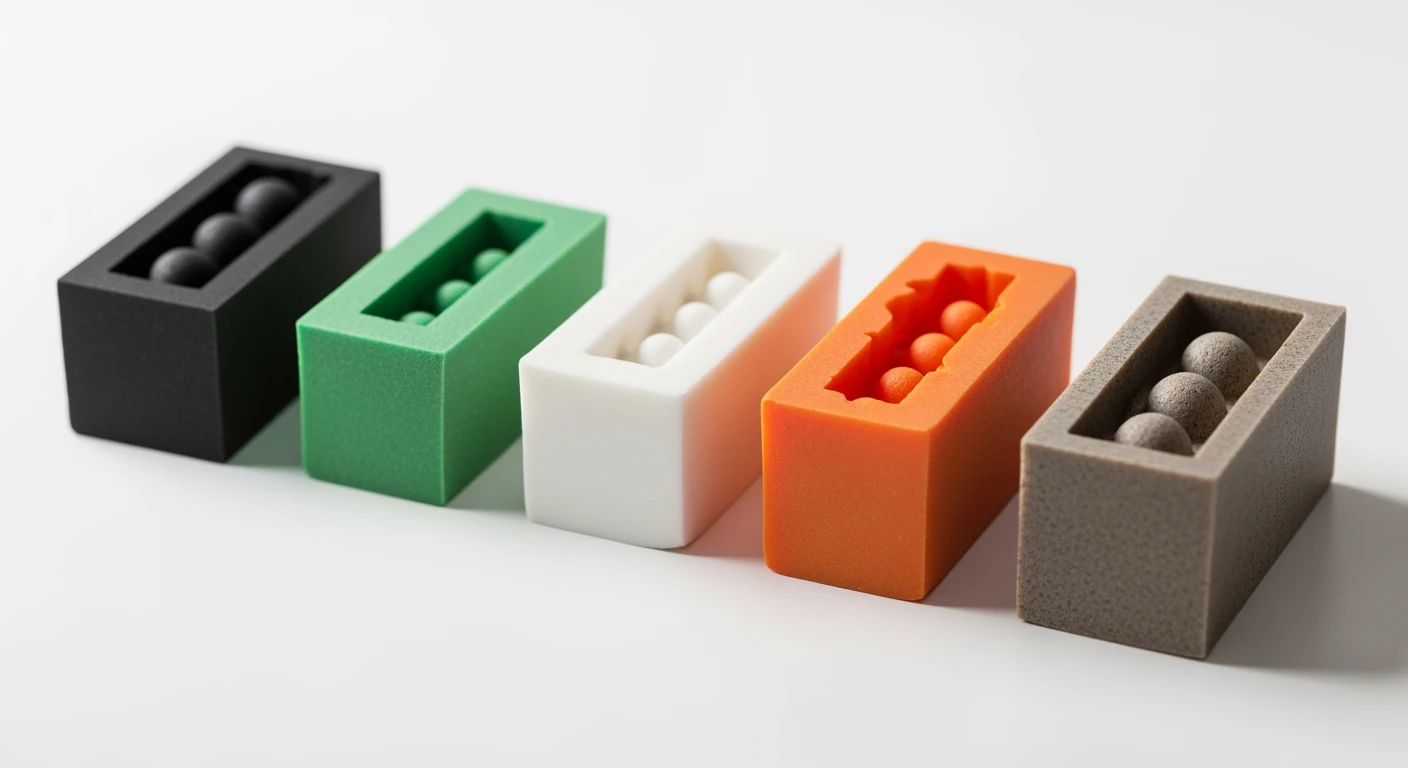
The most feared color. Black mold may be Stachybotrys chartarum (the species that produces mycotoxins) or several other common dark-colored species including Cladosporium, Aspergillus niger, or Alternaria. Black mold on drywall following water damage has the highest probability of being Stachybotrys. Appearance: dark black or greenish-black, fuzzy or slimy texture, grows in clusters. Action: professional assessment recommended for any black mold growth.
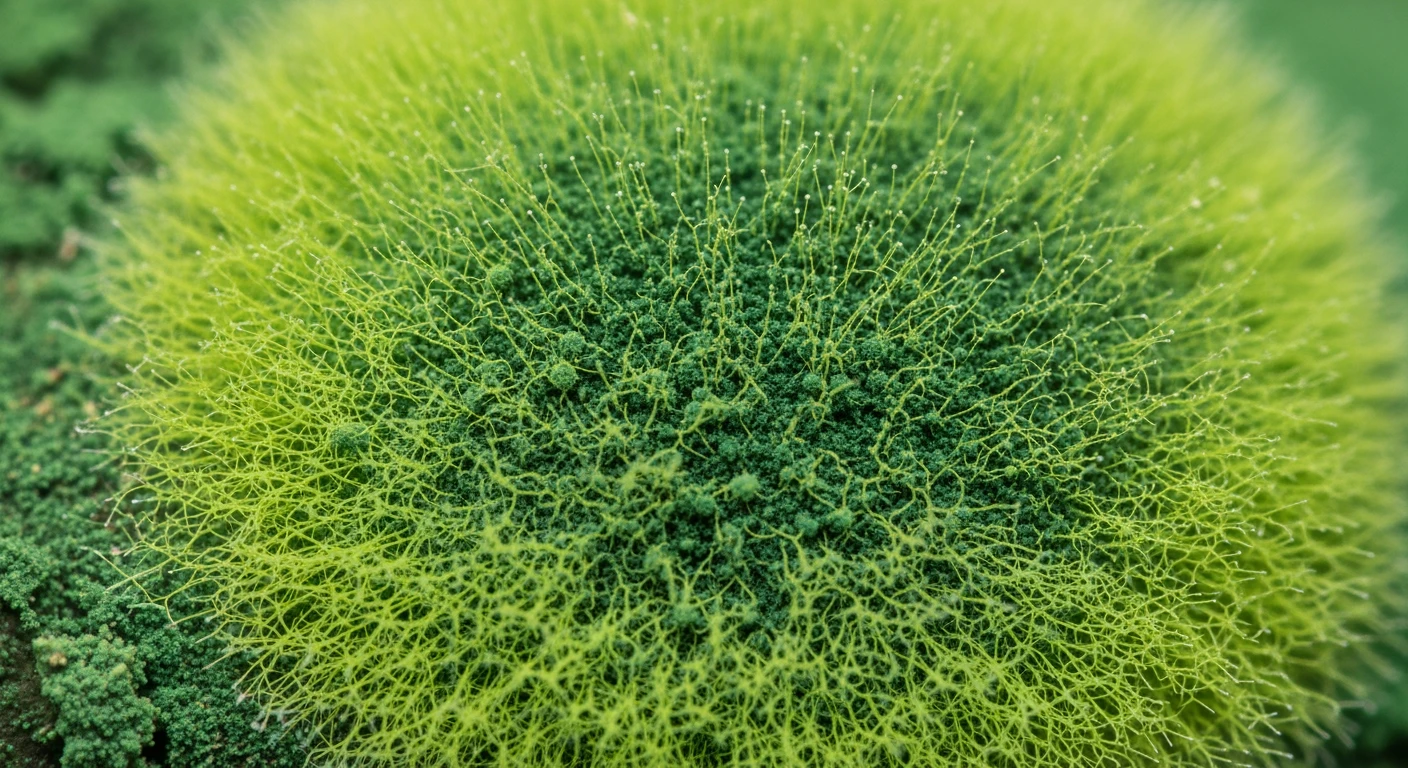
Green mold is the most common household mold color. It is typically Aspergillus or Penicillium — species that are ubiquitous in indoor and outdoor environments. Green mold grows on food, drywall, wood, carpet, and HVAC components. While generally less toxic than Stachybotrys, Aspergillus species can cause allergic reactions and respiratory infections, particularly in immunocompromised individuals. Action: clean small areas yourself; call a professional for growth exceeding 10 square feet or in HVAC systems.
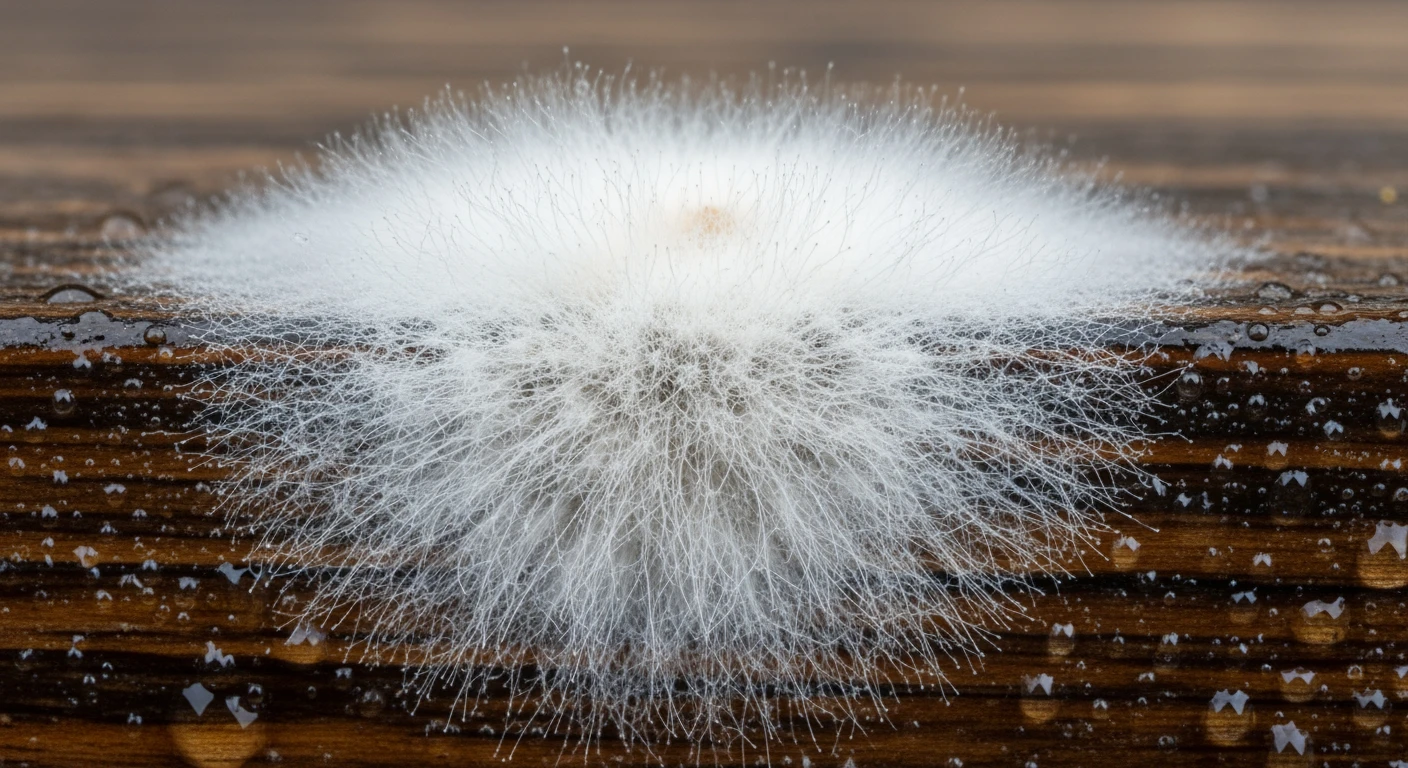
White mold is frequently confused with mildew because both appear light-colored. The difference: white mold has a fuzzy, cottony, or web-like three-dimensional texture and grows INTO porous materials (wood, drywall, fabric). Mildew is flat and powdery and sits ON surfaces. White mold species include early-stage Aspergillus, Cladosporium, and Sclerotinia. Action: do not dismiss white mold as mildew. If it is fuzzy and on a porous material, treat it as mold and assess professionally.
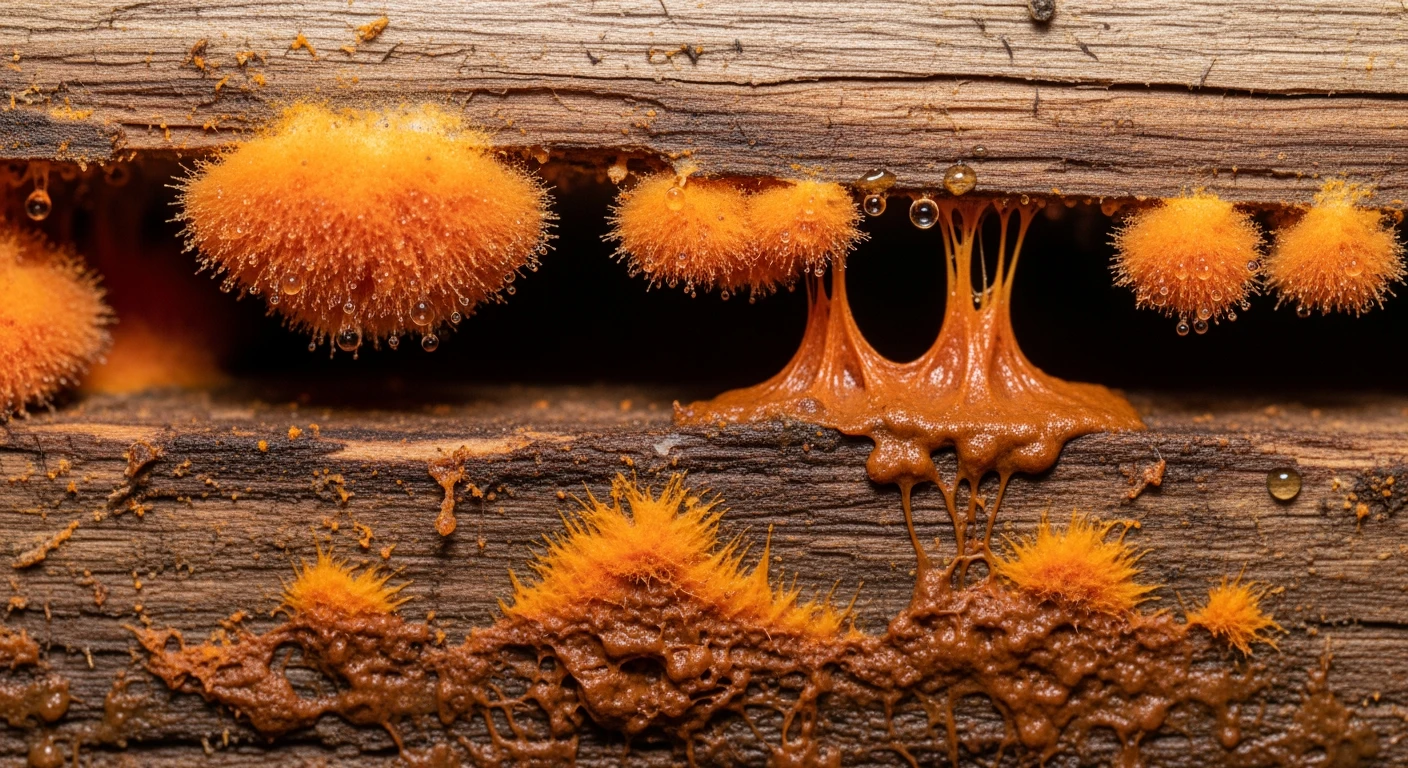
Orange mold is less common in Houston homes but appears in persistently damp areas — crawl spaces, behind shower walls, under sinks, and on wooden structural elements with chronic moisture exposure. Orange-colored species include Fuligo septica (a slime mold) and certain Aspergillus strains. The presence of orange mold indicates a long-standing moisture problem that has gone unaddressed. Action: professional assessment to identify and resolve the moisture source.
Gray or brownish mold is common on bathroom ceilings, window frames, and in HVAC systems. It is often Cladosporium — one of the most prevalent indoor mold species. Cladosporium can cause allergic reactions and respiratory symptoms but is generally less hazardous than Stachybotrys. Action: clean small areas yourself on non-porous surfaces; professional assessment for extensive growth or growth on porous materials.
Color gives you a starting point, but it does not give you a diagnosis. The only way to know exactly what species of mold you have — and what health risks it presents — is laboratory analysis of a physical sample. When in doubt, especially in Houston’s humidity-driven mold environment, err on the side of professional assessment. 247 Restoration Specialists provides mold testing and remediation across the Houston metro.
Explore our specialized service: professional black mold removal in Houston.
Explore our specialized service: mold on walls inspection and remediation.